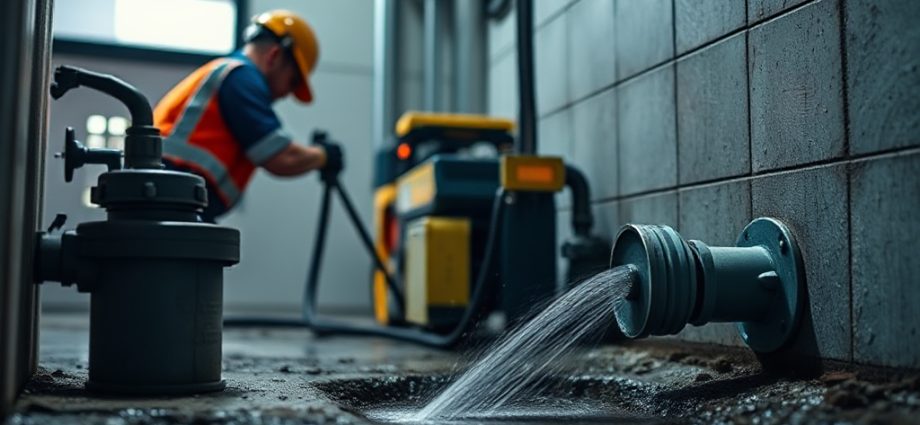
When the Plunger Fails: 3 Hours to Fix a Blocked Drain in Vila Guilherme
Most guides tell you to grab a plunger and hope for the best. What they leave out is the moment that approach stops working — when the water rises instead of falling, when the smell turns sharp, and when you realize the blockage is deeper than the trap under your sink. If you live in Vila Guilherme, on São Paulo’s north side, that moment is common. Older homes, mixed residential and commercial buildings, and a dense network of shared pipes mean some clogs are simply beyond DIY tools. The fastest way to resolve it is to call a desentupidora Vila Guilherme São Paulo SP that works with professional equipment and knows the local pipe layout.
This page answers the question neighbors keep asking in group chats: what do you do when the usual method does not work? We will cover the requirements before you call, the procedure a technician follows, and what to check afterward so the problem does not return next month.
What You Need to Know Before Calling Anyone
Before you dial, gather a few facts. A technician will ask where the water backs up, whether it happens in one fixture or several, and whether there is a history of repeats. These details decide which equipment arrives first — a manual snake, a hydrojetting hose, or a camera inspection.
Identify the Type of Blockage
There are three broad categories. A local clog sits in the trap or the short pipe under one sink. A branch blockage affects one bathroom or kitchen line. A main line blockage stops the whole property, and that is when you see water rising in the shower drain or the floor drain in the garage.
If more than one drain backs up at the same time, treat it as a main line problem. A plunger will not reach it, and repeated plunging can push waste into other fixtures.
Check Access Points
Look for the inspection lid, usually a round cap on the floor near the street or in a service area. If it is buried under tiles or furniture, tell the technician when you call. Access affects how long the job takes, and in some Vila Guilherme buildings the lid sits inside a commercial unit that needs to be opened.
Confirm the Service Covers Your Address
Not every company works every neighborhood. A desentupidora Vila Guilherme should confirm coverage before dispatch, especially for emergency calls at night or on weekends. Ask about the response window and whether the price includes the callout.
The Procedure a Professional Follows
Understanding the sequence helps you judge whether the person at your door is doing the job properly. The steps below are standard for residential and small commercial work.
Step 1: Inspection and Diagnosis
The technician starts by checking every fixture on the affected line, not just the one that overflowed. This confirms the scope. If the blockage is visible, the diagnosis is quick. If not, a camera may be lowered into the pipe to locate the obstruction and check for cracks or root intrusion.
Step 2: Mechanical Clearing
A motorized snake or auger is used first for most clogs. It breaks through grease, soap scum, and small debris. For a stubborn blockage, the technician may switch to hydrojetting — a high-pressure water stream that scours the pipe walls rather than just poking a hole through the clog.
Hydrojetting is the method of choice when grease or scale has narrowed the pipe over time. It removes the buildup that causes repeat blockages, which a snake alone cannot do.
Step 3: Confirmation and Cleanup
After clearing, the technician runs water through the line and watches the flow at the inspection point. A proper job ends with the pipe flowing freely and the work area rinsed. If the blockage was in a shared line, the building manager should be informed so the same problem does not surprise another unit.
What to Check After the Service
The job is not finished when the water drains. A few checks over the next few days tell you whether the fix will hold.
- Run hot water for two minutes in each fixture on the cleared line to confirm steady flow.
- Watch for gurgling sounds in other drains, which can signal a partial blockage remaining in the main line.
- Smell the area near the floor drain after 24 hours. A lingering odor may mean the trap is dry or the vent is blocked.
- Ask for a written summary of what was removed and where the blockage sat. This record matters if the problem returns.
If any of these checks fail, call the company back before paying a second callout fee. Reputable firms stand behind the work for a reasonable period.
When the Problem Is Bigger Than One Pipe
Sometimes the blockage is a symptom, not the cause. In older Vila Guilherme buildings, clay or cast-iron pipes may have shifted, cracked, or been invaded by roots. A camera inspection reveals this. If the pipe is damaged, clearing it buys time but does not solve the problem.
Buildings with septic systems rather than municipal sewer connections need a different approach. A full tank or a clogged drain field can mimic a pipe blockage. In that case, the correct service is septic tank cleaning, not drain clearing. A company that offers both will diagnose correctly instead of selling you the wrong service.
For commercial properties — restaurants, laundries, small factories — grease and lint accumulate faster. A maintenance schedule with periodic hydrojetting is cheaper than emergency calls. Ask the provider whether they offer preventive contracts for your type of business.
Questions the Moderator Sees Most Often
These come up repeatedly in neighborhood forums, so they are worth answering directly.
Can I Use Chemical Drain Cleaners?
They dissolve hair and soap scum but do not clear solid blockages. Worse, repeated use can damage older pipes and create a hazardous mixture if a technician later uses professional chemicals. If a plunger has already failed, skip the chemical step and call a desentupidora em Vila Guilherme São Paulo SP.
How Long Does an Emergency Call Take?
Response time depends on traffic and the time of day. A company with 24-hour dispatch usually gives an estimate when you call. For a main line backup affecting a whole building, say so immediately — it changes the priority.
Will the Technician Need to Enter My Neighbor’s Unit?
Possibly, if the inspection lid is on shared property or the blockage sits in a line serving both units. The building manager or condominium administration should be involved early to avoid delays.
Final Check: What to Confirm Before You Pay
Before the technician leaves, confirm three things. First, that the line flows freely at the inspection point, not just at the fixture. Second, that the work area is clean and no waste was left behind. Third, that you have a receipt describing the service performed and the equipment used.
If the blockage was in a shared line, ask the company to note it in the receipt so the condominium can split the cost fairly. And if the technician recommends a follow-up camera inspection, ask why — a clear reason, such as a suspected crack or root, is a sign of an honest diagnosis.
The goal is not just to get water moving again. It is to understand why the usual method failed and to make sure the fix addresses the real cause. That is the difference between a temporary unclog and a lasting repair.